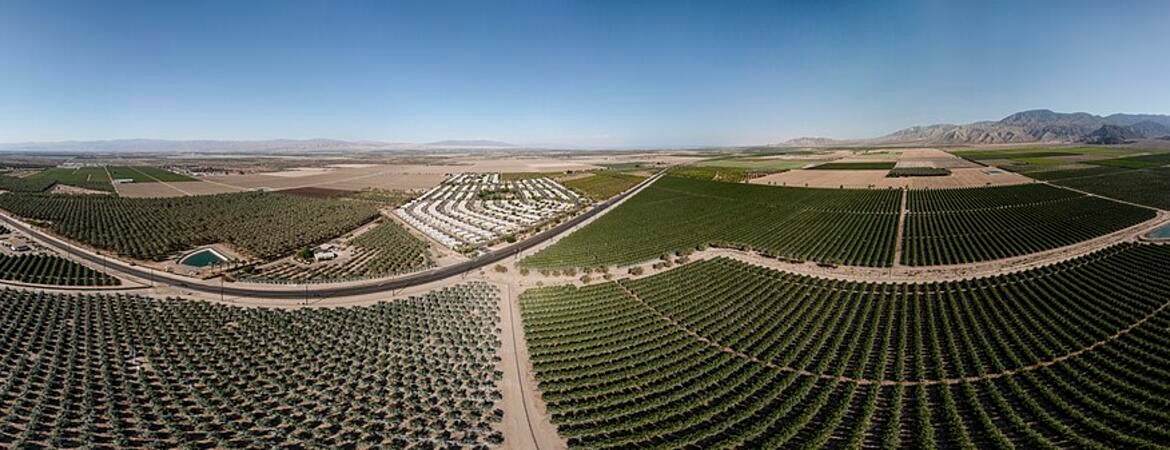
The Salton Sea, California's largest lake, is experiencing an environmental crisis fueled by historical water policies and agricultural practices in the region. This packet serves as an introductory outline to explore pollutant sources and sinks so researchers can use this information to study pollutants’ trajectory and impacts on community health. We present a historical timeline of water policies to demonstrate the link between untreated agricultural runoff and the lake's ecological degradation. Graphs of lake elevation and salinity concentrations from the lake’s flooding in 1905 to the present day highlight the sensitivity and dynamicity of environmental responses to water diversion and policies. Spatial mapping of nutrient concentrations (phosphates and nitrates) in the lake's major tributaries (Whitewater River, New River, and Alamo River) identifies key areas of nutrient loading at riverine mouths, which are suggested areas for further sampling for toxins. A conceptual illustration shows the biogeochemical cycling of these nutrients through the sediments, water column, and air, considering factors like seasonal temperature variations and patterns of lake circulation, and their impacts on microbial metabolisms and wildlife in the lake. The packet concludes with common questions and answers about the lake's pollution issues and emphasizes areas needing further research to inform effective lake management, clean-up, and policy decisions.